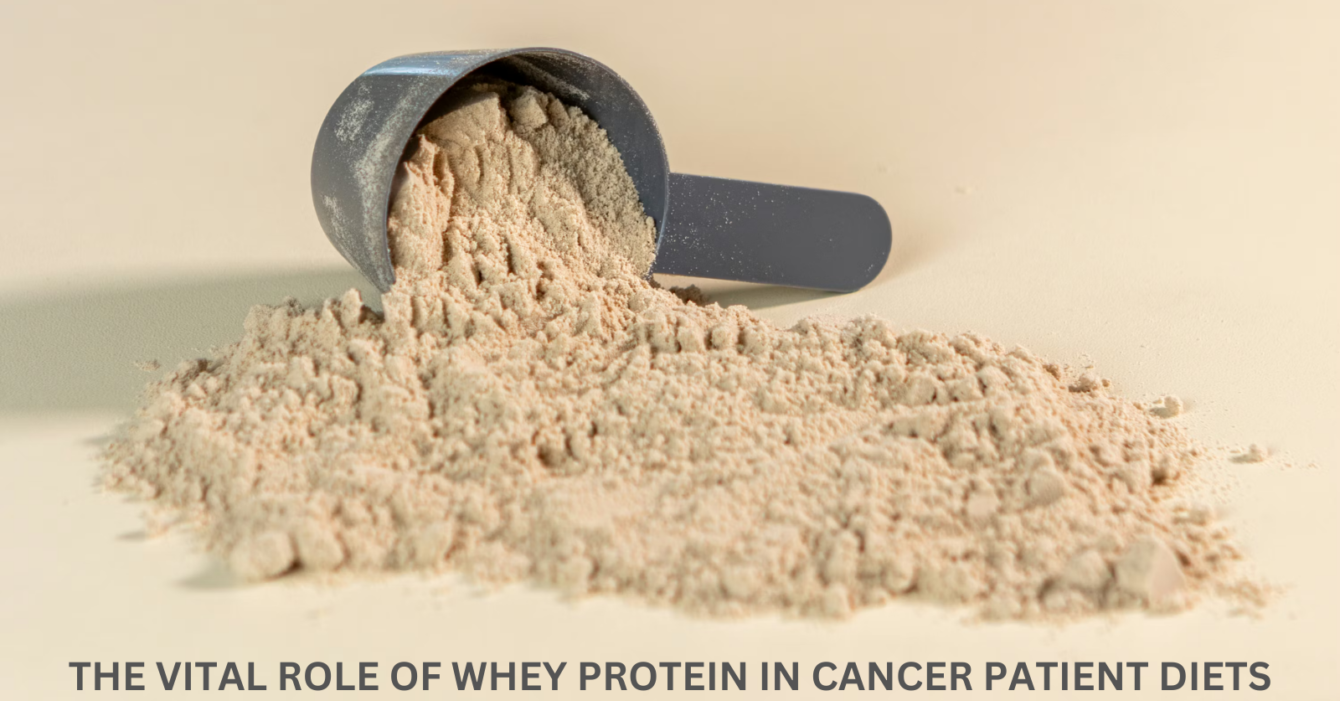
Whey protein plays a crucial role in supporting cancer patients through treatment challenges like muscle wasting and poor appetite. Derived from milk, this complete protein offers high bioavailability and essential amino acids, aiding recovery without overwhelming digestion.
COMBATING CACHEXIA AND MUSCLE LOSS
Cancer cachexia, marked by severe muscle wasting, affects many patients and reduces treatment tolerance. Whey protein’s rich leucine content triggers muscle protein synthesis, helping preserve lean mass even during chemotherapy. Studies show supplemented patients gain strength, body weight, and better functional status, cutting severe side effects by over 30%.
BOOSTING IMMUNITY AND ANTIOXIDANTS
Treatments often suppress immunity via oxidative stress. Whey boosts glutathione, a key antioxidant that shields cells and fights cancer-causing agents. This enhances immune defense, cell repair, and overall resilience.
IMPROVING TREATMENT TOLERANCE
Malnourished patients face more dose interruptions and complications. Whey supplementation improves chemotherapy tolerance, reduces toxicity by nearly 10%, and speeds recovery. Its rapid absorption suits those with nausea or swallowing issues, easily mixed into shakes.
In oncology care, whey bridges nutrition gaps, enhancing outcomes holistically. Evidence supports it as a cost-effective adjuvant therapy.